By examining foundational decisions, learning from past successes and failures, and leveraging core strengths, leaders can align new initiatives with established values to make more informed, effective decisions. Celebrating heritage and framing change as a natural evolution of longstanding principles empowers teams to embrace transformation, ensuring sustainable growth, deeper engagement, and a clear path from past achievements to future success.
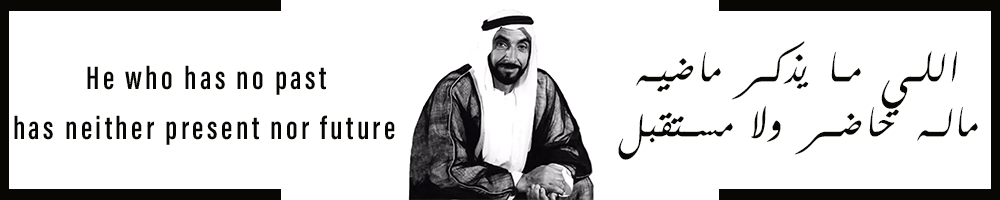
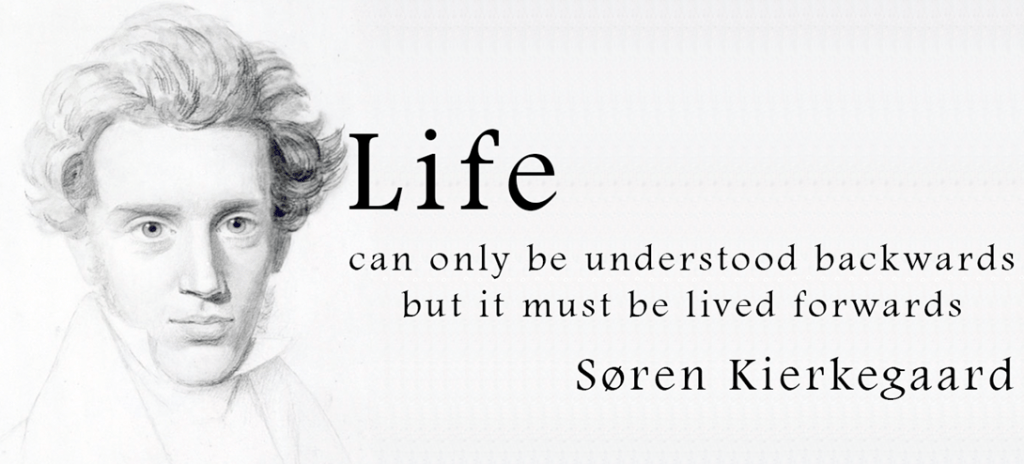
Through my vast years of experience, I have observed new managers, eager to drive innovation, often dismiss the past with remarks such as “We need to focus on the future, not dwell on history”. While well intentioned, this impulse overlooks the foundational truths that shape today’s realities. H.H. Sheikh Zayed Bin Sultan Al Nahyan, the founder of the UAE, captured this perfectly when he said, “He who has no past has neither present nor future”. Philosopher Søren Kierkegaard likewise reminded us that “Life can only be understood backwards, but it must be lived forwards”, and UNESCO defines heritage as our legacy from the past, what we live with today, and what we pass on to future generations. It’s crucial to acknowledge that understanding an organization’s history is vital for shaping its future. Without acknowledging our beginnings, we risk severing our connection to both today and tomorrow, and sacrificing the very insights that guide effective leadership.
In this article I will examine why managers who dismiss the past may undermine their own effectiveness and how embracing historical insight can lead to sounder decisions. The desire to prioritize the future is understandable. Ambition drives growth, and innovation demands forward thinking, but when many arrive declaring “We don’t want to hear about the past”, they unintentionally handicap their strategies by ignoring lessons embedded in their organization’s history. That course of action can produce unintended vulnerabilities:
- Knowledge loss and duplication: Critical insights from earlier initiatives go unexamined or unrecorded, leading to missed opportunities and needless rework.
- Culture and identity decline: When past contributors and milestones go unrecognized, shared values weaken and team unity suffers.
- Strategic blind spots: Lacking a clear view of where the organization has come from, leaders may misinterpret current challenges and overlook foundational assets that could accelerate progress.
Organizational behavior, the study of how people interact within groups and how those interactions influence productivity, satisfaction, and effectiveness, demands a deep understanding of an organization’s evolution. Embracing heritage is not mere nostalgia but a deliberate strategy. History provides context, revealing how past leadership decisions shaped culture and performance. It offers a repository of lessons learned, highlighting both successful change initiatives and recurring pitfalls. It shows core strengths to build upon whether in innovation, customer engagement, or operational excellence, and warns against repeating costly mistakes.
Leaders who wish to integrate these insights into forward-looking plans might begin by auditing institutional memory through archival records, legacy processes, and conversations with veteran employees. Listening to personal narratives helps uncover the reasons behind current norms and challenges. Celebrating past achievements in company-wide communications reinforces pride and unity, while framing new initiatives as natural progressions of our longstanding values encourages widespread buy‑in.
And since examples serve to illustrate points, let’s consider a customer service department struggling with declining satisfaction scores. A future-only mindset might rush to deploy advanced chatbots or new performance metrics. By first tracing the unit’s history, understanding why human-centered protocols were introduced, how previous technology rollouts fared, and what cultural norms guide staff interactions, leaders can tailor digital tools to complement beloved personal touchpoints, draw on proven training programs to upskill teams, and position the upgrade as the next chapter in a legacy of excellence.
Understanding the past is not an abstract exercise but a practical necessity. As Sheikh Zayed, Kierkegaard, and UNESCO remind us, our history is the irreplaceable bridge between where we have been and where we are headed. By learning from what came before, building on proven strengths, and avoiding known pitfalls, new managers empower their organizations to achieve sustainable growth, deepen employee engagement, and navigate change with confidence. Only by recognizing how far we have come can we chart a course that honors our heritage and secures our future.
The future belongs to those who understand the past.