
For decades, video games have been dismissed as mere distractions, a way to “kill time” or escape reality. However, what if I told you that gaming is one of the most underrated tools for professional growth and creative problem-solving? Stay tuned to uncover the surprising power behind video gaming.
Video gaming has evolved far beyond mere entertainment as video games have become so much more than just a way to pass the time. Sure, they’re fun, who doesn’t love a good zombie apocalypse or an epic quest to save a kingdom? However, they became powerful tools for cognitive enhancement, strategic thinking development, and professional skill building.
As a lifelong gamer who’s been deeply engaged in virtual worlds since childhood, I’ve witnessed firsthand how the hours spent navigating virtual worlds translate into tangible benefits in the real one. over the past 15 years, my reasons for gaming have evolved far beyond entertainment. Today, I see gaming as a secret weapon that sharpens my mind, boosts my creativity, and even makes me better at my job. I have successfully transformed my gaming passion into a professional advantage. And I’m not alone in realizing this. There’s a growing movement tapping into the power of games, and it’s called gamification, which is adding game mechanics into non-game environments like a website, online community, learning management system, or business intranet to increase participation. For more information about gamification, I invite you to explore my article Business Gamification: An Overview of Gamification for Enhanced Engagement.
Before we dive into why video gaming is more than entertainment, let’s first understand what video gaming really is and explore the variety of genres and experiences it offers. So, “what is video gaming anyway?” Video gaming, at its core, is the interactive experience of engaging with digital worlds, stories, and challenges through platforms like consoles, PCs, mobile devices, or virtual reality. Born in the 1970s with simple pixelated adventures like Pong and Space Invaders, it has since evolved into a multi-billion-dollar industry. Today, games are not just about high scores or finishing levels. They’re immersive ecosystems where players collaborate, strategize, and solve complex problems. Whether you’re building civilizations, surviving post-apocalyptic wastelands, or managing virtual cities, gaming is a universal language that transcends age, culture, and profession. It’s a fusion of art, technology, and psychology, offering everything from quick mental escapes to deep skill-building journeys.
Video games are as diverse as the minds that create them. These games come in a wide variety of genres and complexities from quick reflexes and resource management to strategic planning and cooperative teamwork. Here’s a quick tour of the categories that shape gaming’s landscape and the skills they foster:
Strategy Games: These require careful planning, resource management, and long-term decision-making. Whether building empires or commanding armies, players learn to balance risk, adapt to setbacks, and think critically under pressure. Examples: Civilization, Command & Conquer, Age of Empires, etc.
Role-Playing Games (RPGs): RPGs put players in rich narratives where choices matter. By stepping into the shoes of characters, gamers practice empathy, ethical reasoning, and storytelling which are vital skills for leadership and user-centric design. Examples: The Witcher, Skyrim, Final Fantasy, etc.
Simulation Games: From managing cities to piloting planes, simulations replicate real-world systems. They teach resource allocation, process optimization, and the art of balancing competing priorities. Examples: SimCity, Cities: Skylines, Stardew Valley, etc.
Survival Games: Stranded in harsh environments, players must scavenge, craft, and problem-solve creatively. These games mirror entrepreneurial grit, turning shortage into innovation. Examples: Ark: Survival Evolved, Palworld, Minecraft, etc.
Puzzle Games: Designed to bend minds, puzzle games sharpen logic, pattern recognition, and lateral thinking which are tools that translate to debugging code or streamlining workflows. Examples: Portal, Tetris, Candy Crush, etc.
Multiplayer/Cooperative Games: Collaboration is the key here. These games foster teamwork, communication, and conflict resolution, echoing the dynamics of cross-departmental projects. Examples: Fortnite, Among Us, Overwatch, etc.
It’s also worth mentioning that many video games blend multiple genres creating hybrid challenges that demand even sharper skills. Take Minecraft, which is a survival game and a cooperative sandbox, teaching players to balance individual differences with teamwork. Genres also branch into sub-genres, layering complexity. For example, Role-Playing Games (RPGs) can branch into subcategories such as Massively Multiplayer Online (MMO), commonly referred to as MMORPGs (Massively Multiplayer Online Role-Playing Games), e.g. World of Warcraft, Final Fantasy XIV, etc. This mix of genres and sub-genres enriches gameplay, offering diverse and dynamic experiences that cater to various skills and interests.
Now, let’s dive into why gaming is more than just play and how it’s changing the way we think, work, and solve problems. Recent research has solidly established what many gamers have long claimed, including me, that gaming exercises the brain in meaningful ways. A groundbreaking study presented at the Manchester Science Festival revealed that people who played video games around 10 hours per week performed cognitively like individuals 8.7 years younger than their actual age (who did not play video games). Similarly, a comprehensive Western-led study called “Brain and Body” found that playing video games was positively associated with improved cognitive abilities. The research, which involved over 2,000 participants worldwide, used specialized brain games to measure different aspects of cognition, including memory, attention, reasoning, and verbal abilities. The results clearly showed gaming’s positive impact on cognitive function.
Basically, when you immerse yourself in a complex strategy, role-playing, simulation, or survival game, you aren’t just pressing buttons, you’re constantly making decisions that require logic, foresight, and creativity. Each level, quest, or mission requires a blend of resource management, adaptability, and focus to succeed. Over time, these in-game challenges can sharpen your mental agility, much like a workout strengthens your body. These aren’t just personal observations. They’re backed by research showing that brain-training games can improve attention levels, memory, response time, logic skills, and other measures of cognitive function when played consistently over time. Psychotherapist Rebecca Marcus notes that brain games “can help to increase focus, concentration, and memory” and “help us to be more present in day-to-day activities“. However, the key is variety and increasing challenge. Playing the same game repeatedly reduces its cognitive benefits as “the mind isn’t challenged anymore and begins to run on autopilot“. This is why I regularly switch between different gaming genres and difficulty levels. Each offers unique challenges that exercise different parts of my brain, from the logical left-brainer to the more visual & creative right-brainer.
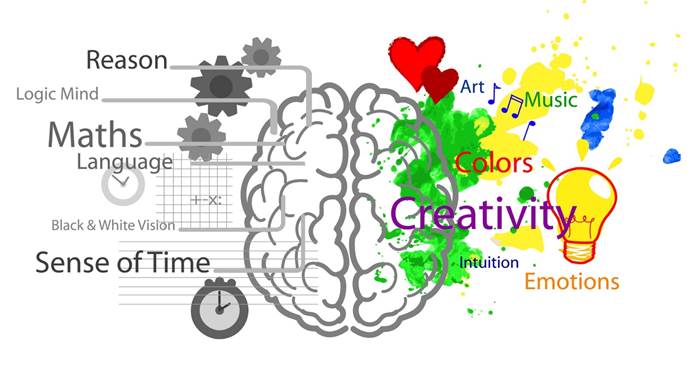
The type of games we play matters, as they exercise different cognitive skills:
Strategic Thinking & Long-Term Planning
Strategy games force players to weigh risks, allocate resources, and anticipate consequences. Every decision in games mirrors real-world business challenges: Do I invest in short-term gains or long-term stability? How do I adapt when my plan falls apart? These games teach us to think three steps ahead, a skill that’s invaluable in project management and IT strategy articulation for instance.
Creativity Through Constraints
Survival games drop players into hostile environments with limited tools. To thrive, players must innovate. Sound familiar, isn’t it? It’s the same mindset needed to solve workplace inefficiencies or design tech solutions on a budget.
Systems Thinking & Process Optimization
Simulation games improve systems thinking and pattern recognition and allow gamers to excel at turning constraints into opportunities. They put gamers into complicated systems where every action ripples across the environment. Building a thriving city or managing a farm isn’t just about clicking buttons. It’s about understanding interdependencies, forecasting bottlenecks, and optimizing workflows. These games teach us to see the big picture while sweating the small stuff: How does zoning affect traffic? Why rotate crops? This mirrors real-world challenges in supply chain management, IT infrastructure, or even organizational design, where efficiency depends on balancing countless variables.
Resilience and Adaptability
Role-playing games (RPGs) develop decision-making and consequence evaluation. In these games failure isn’t the end, it’s feedback. Whether it’s a tough boss fight or a failed heist, gamers learn to iterate, adjust, and try again. This “fail forward” mentality builds grit, a critical trait for navigating tech disruptions for instance.
Empathy and Collaboration
Multiplayer games require teamwork, communication, and understanding of the diverse roles. Leading a guild or coordinating a raid mirrors managing cross-functional teams, except the stakes are virtual dragons, not quarterly reports.
As I wrap up this post, I urge you the next time someone dismisses video gaming as “just for fun”, remind them that the same skills required to conquer virtual worlds are increasingly crucial for solving real-world challenges. Gamers are strategists, innovators, and resilient problem-solvers. And as AI, automation, and increasing complexity reshaping our workplaces, we’ll need more people trained in the ultimate strategic training ground, i.e. the digital realm.
Here I am, in my fifties, still gaming, and not out of nostalgia, but because every session sharpens my mind, enhances my creativity, and strengthens my strategic thinking. When I sit down to play, it’s not just relaxation. It’s hard mental training. And when I tackle real-world projects, I’m not just bringing tech expertise to the table, but also leveraging creativity, adaptability, and resourcefulness improved by decades of gaming. So, the next time someone wonders why you’re still playing video games, remind them of this: gaming isn’t merely entertainment; it’s a superpower. Whether it’s sharpening your cognitive skills, enhancing your problem-solving abilities, or inspiring the transformative potential of gamification, it proves that play indeed has purpose. So, go and pick up that controller, dive confidently into your next adventure, and see where it leads. Who knows? The real world just might thank you for it.
References:
– Science Museum study suggests gaming improves cognition
– Western-led study shows playing video games may improve cognitive performance
– 10 Best Brain Games to Keep Your Mind Sharp
– 10 Games and Puzzles to Exercise Your Brain

