
A Leadership Lesson from WWII
Organizations celebrate top performers and successful projects. But just like WWII bombers, what really matters are the vulnerabilities we don’t notice, the employees who leave, the projects that fail quietly, the voices that go unheard. Avoiding survivorship bias can mean the difference between short-term wins and lasting success.
During World War II, the U.S. military faced a deadly problem as too many bomber planes were being shot down. Analysts carefully examined the aircraft that returned from missions, riddled with bullet holes on their wings and tails, and concluded that those areas needed reinforcement. It seemed logical to strengthen where the damage was visible.
However, the Hungarian statistician Abraham Wald saw what others missed. The military was only studying the planes that made it home. The bombers that had been hit in their engines never returned, and so their data was invisible. Wald advised reinforcing the places with no bullet holes, and not to contradict the analysts, but because he recognized those were the true vulnerabilities. His insight changed strategy and saved countless lives.
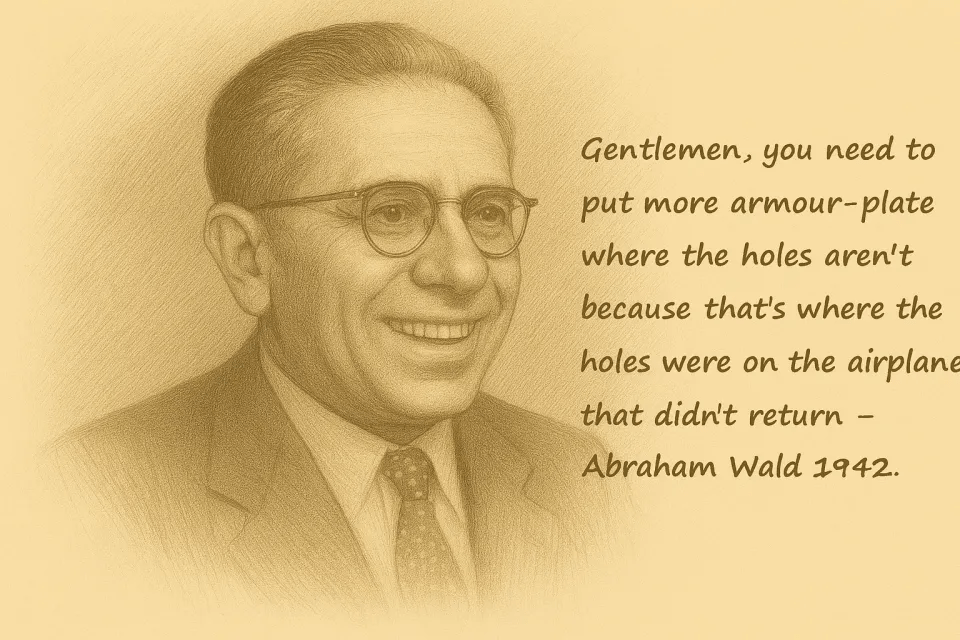
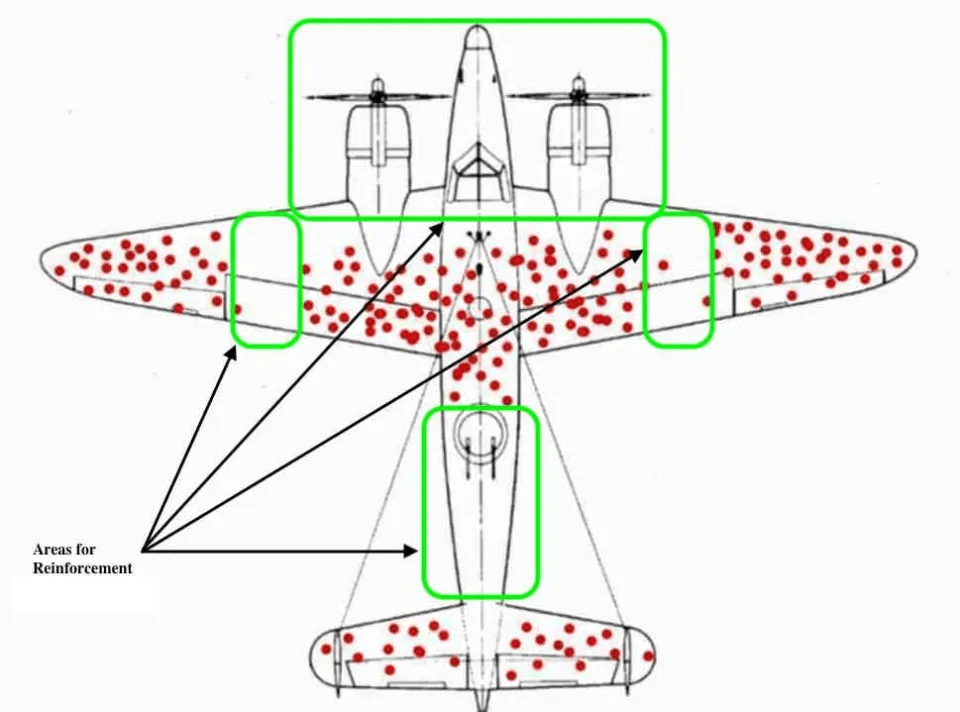
Wald’s observation revealed more than a military tactic. It uncovered a universal human mistake that still affects us today, the survivorship bias. Survivorship bias is the logical error of focusing only on people or things that “survived” a process, while overlooking those that did not. It creates a distorted picture of reality by highlighting visible successes while hiding the lessons embedded in failure.
That same bias often creeps into the workplace. Organizations celebrate top performers and successful projects, but they rarely pause to ask why others struggled, why good people left quietly, or why promising initiatives failed without fanfare. Just as the missing planes told the real story in WWII, the disengaged employees and abandoned projects often reveal an organization’s greatest vulnerabilities. Ignoring them doesn’t just distort our understanding, it risks repeating the same mistakes until they become part of the culture.
So how can organizations avoid survivorship bias in practice? A few approaches help leaders see the whole picture:
- Study both success and failure: Review not only what worked but also what went wrong and why.
- Use exit interviews and post-mortems: Learn from departures and failed projects instead of filing them away.
- Listen to the quiet majority: Engage employees who aren’t in the spotlight, because their silence may signal hidden problems.
- Ask what’s missing: Before celebrating success, consider whose voices or data are absent from the conversation.
The lesson is clear! Success cannot be understood by looking only at those who remain. It also requires studying the stories of those who fall away, the missed opportunities, and the voices that go unheard. Abraham Wald’s wisdom reminds us that the invisible data may matter most. For organizations, that means protecting not just what is already working, but also addressing the silent weaknesses that threaten long-term survival.
The next time you celebrate success in your team or organization, pause and ask! what bullet holes aren’t we seeing?

