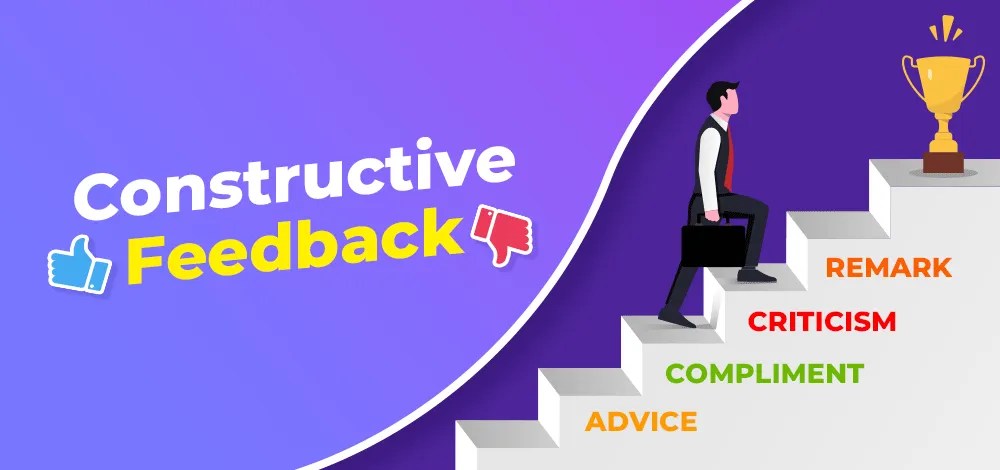
Acknowledging and addressing negative aspects in the workplace is essential for growth and problem-solving, rather than a sign of negativity. While negativity bias often causes people to focus on positive aspects to avoid potential threats, transforming negativity into a constructive force fosters a culture of continuous improvement. By promoting open dialogue and a growth mindset, organizations can turn challenges and feedback into opportunities for personal and organizational development.
During a business meeting as we were evaluating our organization’s current situation for an upcoming project, I highlighted several concerns vital for our progress. A colleague suggested that focusing on these challenges might be seen negatively and said, “Let’s focus on the positives”. This interaction led me to a significant realization that acknowledging and discussing setbacks is not a sign of negativity but a crucial step towards improvement and achieving our goals.
Often, negativity in the workplace is avoided because it’s perceived as harmful to morale and productivity. However, this perspective fails to recognize the importance of identifying negative aspects, which are key to organizational growth and development. Addressing problems, weaknesses, or areas of improvement isn’t about assigning blame but is an essential part of problem-solving. It’s critical to differentiate between destructive negativity, which focuses on issues without seeking solutions, and constructive feedback aimed at identifying and resolving challenges to progress.
Understanding why such perceptions arise requires exploring the term negativity bias. Negativity bias is the tendency to prioritize negative over positive or neutral events. This bias influences our decision-making, relationships, and environmental perceptions, often leading us to focus on potential threats. In response, people might unconsciously shift their focus to positive aspects to counterbalance this natural tendency towards negativity. This explains how negativity bias can shape workplace dynamics and highlights the value of acknowledging and thoughtfully addressing negative feedback, promoting a culture of development and continuous improvement.
Transforming negativity into a positive force is about mindset and perception. Cultivating a growth mindset encourages employees to view feedback, even when negative, as an opportunity for learning rather than a personal attack. This perspective shift is crucial for fostering an environment where individuals feel valued and motivated to improve their work and the organization. Constructive criticism, delivered and received with the intent of improvement, enhances performance by providing specific and actionable insights for improving processes, projects, or behaviors. Emphasizing feedback’s constructive nature ensures discussions remain productive, centered on solutions.
To maintain a dynamic and competitive edge, creating a culture that embraces constructive criticism and open dialogue about challenges is essential. Steps to foster such a culture include but not limited to leadership by example, establishing safe communication channels, providing effective feedback training, and recognizing and rewarding the positive outcomes of feedback and problem-solving efforts.
In conclusion, a constructive approach to negativity can create a culture that embraces open discussions about improvement, fostering resilience, encouraging continuous learning, and driving success. This journey transforms the perception of negativity from a stumbling block to a stepping stone, by viewing challenges and feedback as drivers for growth and innovation. Engaging constructively with negative feedback is key to personal development and organizational evolution.
Discussion space: Please share your experience
- Have you ever turned a negative situation at work into a positive outcome? What was the challenge, and how did addressing it lead to improvement?
- What strategies have you found effective for giving or receiving feedback in a way that leads to constructive outcomes?
- How has your organization or team successfully shifted towards a more open and constructive feedback culture? What changes were made, and what impact have they had?

