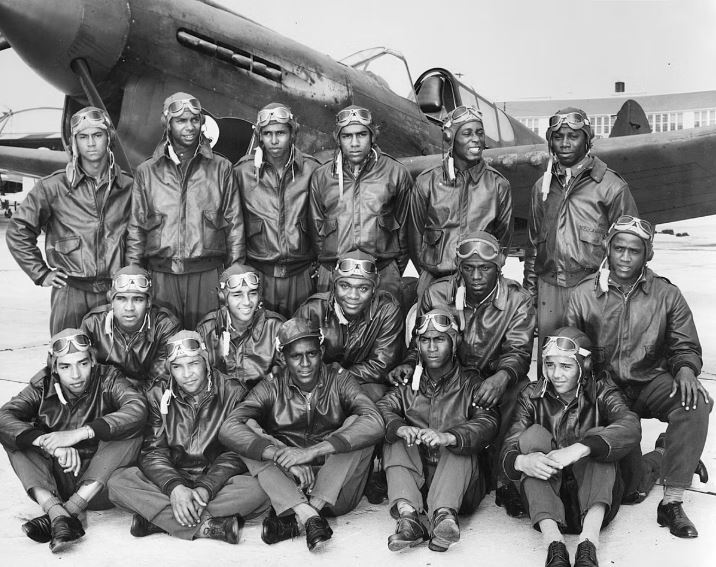
Modern organizations can draw valuable insights on how to foster inclusive cultures, recognize hidden talent, and cultivate high-performance teams, from the tale of Red Tails.
Fueled by Jim Crow laws, which enforced racial segregation in the US, and supported by the 1925 U.S. Army War College Report, which falsely claimed that African Americans lacked the intelligence, discipline, and technical skills required to be fighter pilots, the U.S. military barred African Americans from serving as fighter pilots. As a result, potential talent within the African American community was systematically excluded from leadership and specialized positions, leading to a significant underutilization of capable individuals in a time of growing global conflict.
In the face of growing civil rights activism and pressure from influential leaders, the War Department implemented an experiment that came to be known as the “Tuskegee Experiment.” However, the program was not designed for success. Military leaders fully expected it to confirm their biases. Right from the start, the Tuskegee Airmen were issued older aircraft and outdated equipment, while inadequate funding hindered day-to-day operations. They faced stricter training standards, making it easier to eliminate candidates, and many white officers overseeing the program openly questioned whether African American pilots could succeed, creating an unwelcoming learning environment. Even after passing demanding training, the Airmen were placed in segregated units and initially denied opportunities to engage in combat to reinforce the 1925 U.S. Army War College Report results.
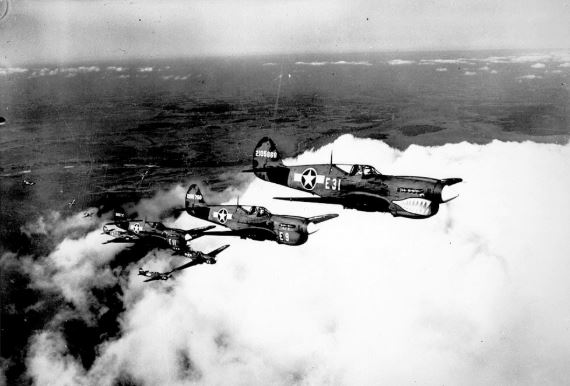
Despite these obstacles, the Tuskegee Airmen refused to be defined by the limitations imposed upon them. Through firm discipline, comprehensive study, and an unshakeable belief in their capabilities, they consistently outperformed expectations set by doubtful superiors. Over time, their undeniable progress and professionalism gradually overcame organizational barriers, prompting the U.S. Army to grant them combat assignments. Their first mission, in June 1943 during World War II, took place during Operation Corkscrew, a campaign aimed at invading the island of Pantelleria in Italy. Despite being provided older aircraft, they excelled in bombing and low-level attacking runs against enemy positions. This remarkable performance not only laid the foundation for their outstanding reputation but also proved that excellence could emerge from roles many people once considered unattainable. Soon after, due to their exceptional performance, the Tuskegee Airmen were assigned flying escort duties for heavy bombers and equipped with newer aircraft. To be easily identified by bombers, they painted the tails of their aircraft red, giving them the nickname “Red Tails.” With these advanced planes, their escort missions achieved remarkable success, famously minimizing losses to enemy fighters and strengthening the Tuskegee Airmen’s legacy in aerial combat history.
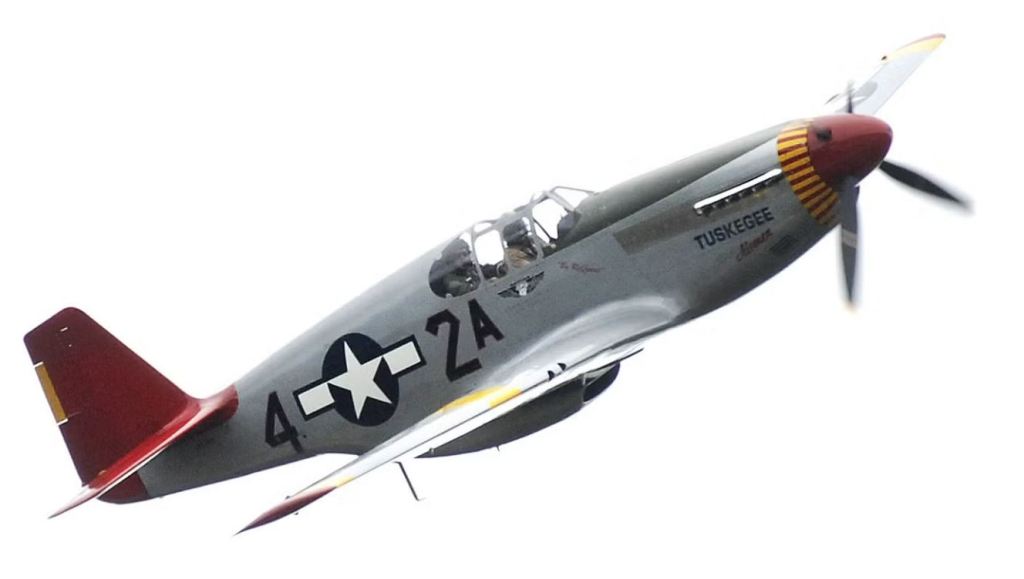
Ultimately, the Tuskegee Airmen’s outstanding performance in escort missions and aerial engagements not only invalidated the War College’s conclusions but also laid the groundwork for the military’s eventual desegregation. Their courage under fire, resilience in the face of deeply rooted discrimination, and unwavering pursuit of excellence became a guiding light for countless Americans. Through each successful mission, they proved that perseverance and unity of purpose can shatter the most entrenched barriers, inspiring future generations to aim higher and dream bigger.
Priceless Organizational Lessons from the Tuskegee Airmen Tale
The Tuskegee Airmen’s story stands as a testament to what can be achieved when individuals and teams refuse to accept limitations. Just as they challenged the norms of their time, modern organizations can draw valuable insights on how to foster inclusive cultures, recognize hidden talent, and cultivate high-performance teams. Their achievement in the face of doubt is more than a historical milestone. It stands as a guiding framework for creating inclusive environments, empowering overlooked individuals, and uniting teams around a common purpose. Here are some lessons we could learn from the tale of Red Tails:
Diversity and Inclusion
The Tuskegee Airmen’s success demonstrates the importance of diversity and inclusion in organizations. By excluding African Americans from leadership and specialized roles, the U.S. military initially underutilized a significant pool of talent. Their eventual success highlights how diverse teams can outperform homogeneous ones when given equal opportunities.
Organizations should actively work to eliminate biases and create inclusive environments where all individuals, regardless of background, can thrive and contribute their unique skills and perspectives.
Overcoming Stereotypes and Bias
The Airmen faced widespread racism and low expectations, yet they consistently outperformed these biases. This highlights the harmful impact of stereotypes and the importance of challenging and overcoming them.
Leaders should be aware of their own biases and work to create a culture where stereotypes are actively challenged. Encouraging open dialogue and providing training on unconscious bias can help mitigate these issues.
Resilience and Determination
Despite facing numerous obstacles, including outdated equipment, stricter training standards, and a hostile environment, the Tuskegee Airmen didn’t give up. Their resilience in the face of difficult conditions is a powerful example of how determination can lead to success.
Organizations should foster a culture that values resilience and provides support systems to help employees overcome challenges. Recognizing and rewarding dedication can motivate teams to push through difficult times. Moreover, by adopting a mindset of continuous growth, viewing setbacks as opportunities to learn, and harnessing the same determination that drove the Tuskegee Airmen forward, employees can build the inner strength needed to excel and contribute meaningfully to a dynamic, high-performing workplace.
High Standards and Excellence
The Tuskegee Airmen were held to higher standards and still excelled, proving that high expectations, when coupled with support and belief in one’s capabilities, can lead to exceptional performance.
Setting high standards for all employees, while providing the necessary resources and support, can drive excellence. It’s important to ensure that these standards are applied fair and square across the organization.
Leadership and Role Models
The Tuskegee Airmen’s success was partly due to strong leadership and the presence of role models who believed in their potential. Their leaders’ support helped them navigate a challenging environment and achieve their goals.
Effective leadership and mentorship are crucial for team success. Leaders should act as role models, providing guidance, support, and inspiration to their teams.
Team Unity
The Airmen’s unity and shared purpose were key to their success. Despite facing discrimination, they worked together closely, which was instrumental in their achievements.
Building strong, united teams with a shared sense of purpose can enhance performance. Encouraging collaboration and fostering a sense of belonging can help achieve this.
Proving Capability Through Performance
The Airmen’s exceptional performance in combat missions ultimately changed perceptions and policies. Their success proved that capability is not determined by race or background, but by skills, discipline, and dedication.
Organizations should focus on performance and outcomes rather than preconceived notions about individuals’ capabilities. Creating opportunities for employees to demonstrate their skills can help break down barriers and change perceptions.
Change and Adaptation
The military’s eventual desegregation was a direct result of the Tuskegee Airmen’s proven capabilities. This shows that change is possible when evidence of success challenges existing norms and biases.
Organizations should be open to change and willing to adapt based on evidence and performance. Encouraging a culture of continuous improvement and being receptive to new ideas can drive positive change.
Inspiration and Legacy
The Tuskegee Airmen’s legacy continues to inspire future generations to aim higher and dream bigger. Their story is a testament to the power of inspiration and the lasting impact of achieving the seemingly impossible.
Organizations should create a legacy of excellence and inspiration. Recognizing and celebrating achievements can motivate current and future employees to reach their full potential.
Seizing Opportunities and Taking Initiative
The Tuskegee Airmen seized every opportunity to prove their capabilities, even when the odds were stacked against them. They took initiative, excelled in their missions, and turned challenges into opportunities to showcase their skills. Their success was not just a result of perseverance but also their willingness to act decisively when the moment arose.
Employees should seize opportunities and take initiative when they arise. They should step up, take risks, and contribute their ideas without fear of failure. As the saying goes, “Make hay while the sun shines”. By embracing this mindset, employees can unlock their potential and drive meaningful progress within their organizations.
Final Thoughts
The story of the Tuskegee Airmen is a powerful reminder that barriers, whether widespread, cultural, or self-imposed, can be overcome with determination, unity, and persistent effort for excellence. Their legacy challenges us to create workplaces where diversity is celebrated, potential is recognized, and opportunities are seized with courage and commitment. By applying these lessons, organizations can foster environments where every individual has the chance to aim higher and dream bigger.
What are your thoughts on the Tuskegee Airmen’s story? Are there other lessons you believe can be drawn from their journey? I ‘d love to hear your perspectives and insights. Share your reflections in the comments below, and let’s continue the conversation about how we can build more inclusive, resilient, and high-performing teams inspired by the Tuskegee Airmen’s legacy.

